Autism is often mentioned in conversations about neurodiversity, but the relationship between the two is not always clearly explained. This can leave people unsure about what neurodiversity actually means and how autism fits within it.
For many autistic people and families, this question is not academic. It shapes how autism is viewed, discussed, and supported in everyday life.
This article explains what neurodiversity means, how autism sits within it, and why this perspective matters for autistic people, families, and professionals.
What Does Neurodiversity Mean?
Neurodiversity refers to the natural variation in how human brains develop and function.
Just as people differ in personality, physical traits, and ways of learning, brains also differ in how they process information, communicate, and respond to the world. These differences can be seen across a wide range of neurodevelopmental traits, including the most common symptoms of autism.
The idea of neurodiversity challenges the belief that there is one correct way for a brain to work. Instead, it recognises neurological differences as a normal part of human diversity. This perspective is also reflected by organisations such as the National Autistic Society, which outlines autism as part of natural neurological variation within the wider neurodiversity framework.
In simple terms:
- Neurodiversity describes the full range of brain differences across the population
- Neurodivergent refers to people whose neurological development differs from what is considered typical
Is Autism Part of Neurodiversity?
Yes. Autism is widely recognised as part of neurodiversity.
Autism is a neurodevelopmental difference that affects communication, sensory processing, emotional regulation, and social interaction. Because these differences relate to how the brain develops and functions, autism sits naturally within the neurodiversity framework.
For a clear overview of the core characteristics that define autism and how it can present across different people, see what autism is and how it is experienced.
Rather than treating autism as something that needs fixing, neurodiversity recognises autistic traits as part of human variation. At the same time, it accepts that autistic people may need support when environments do not meet their needs.
Autism, Neurodiversity, and Identity
Language has a strong influence on how autism is viewed and experienced.
Many autistic people see autism as an inseparable part of who they are. Others prefer to describe autism as something they have rather than something they are.
You may encounter different terms, including:
- Autistic person
- Person with autism
- Neurodivergent individual
There is no single correct choice. Respecting personal preference is what matters most.
Does Neurodiversity Mean Autism Is Not a Disability?
This is a common and important question.
Recognising autism as part of neurodiversity does not mean dismissing the challenges autistic people may face. Sensory overload, communication barriers, anxiety, and difficulties navigating social or professional environments can all have a real impact on daily life.
Many people view disability as something that arises when support is missing or when environments are not inclusive.
In practice, this means:
- Autism itself reflects a difference in brain development
- Difficulties often increase when adjustments are not in place
- Appropriate support can reduce barriers and stress
Common Misunderstandings About Autism and Neurodiversity
There are several myths that can cause confusion around neurodiversity.
Neurodiversity does not deny support needs
Recognising neurodiversity does not mean suggesting that autistic people should cope without help. Some autistic people benefit from adjustments, therapy, or clinical support at different stages of life. These needs are real and deserve to be taken seriously.
A neurodiversity informed approach focuses on providing the right support, rather than trying to change or suppress autistic traits. Inclusion is about removing barriers, offering appropriate accommodations, and ensuring people can access the support that helps them thrive, not withdrawing care or assistance.
Neurodiversity is not limited to autism
Autism is one form of neurodivergence, but it is not the only one. Neurodiversity is a broad concept that recognises a wide range of neurological differences across the population.
This includes conditions such as ADHD, dyslexia, dyspraxia, and others, each with its own characteristics, strengths, and challenges. Neurodiversity reflects the idea that there is natural variation in how brains work, rather than a single standard that everyone should meet.
Neurodiversity does not minimise challenges
Acknowledging strengths does not mean overlooking difficulties. Autistic people may experience significant challenges related to sensory overload, communication, anxiety, or daily functioning, and these experiences should never be dismissed.
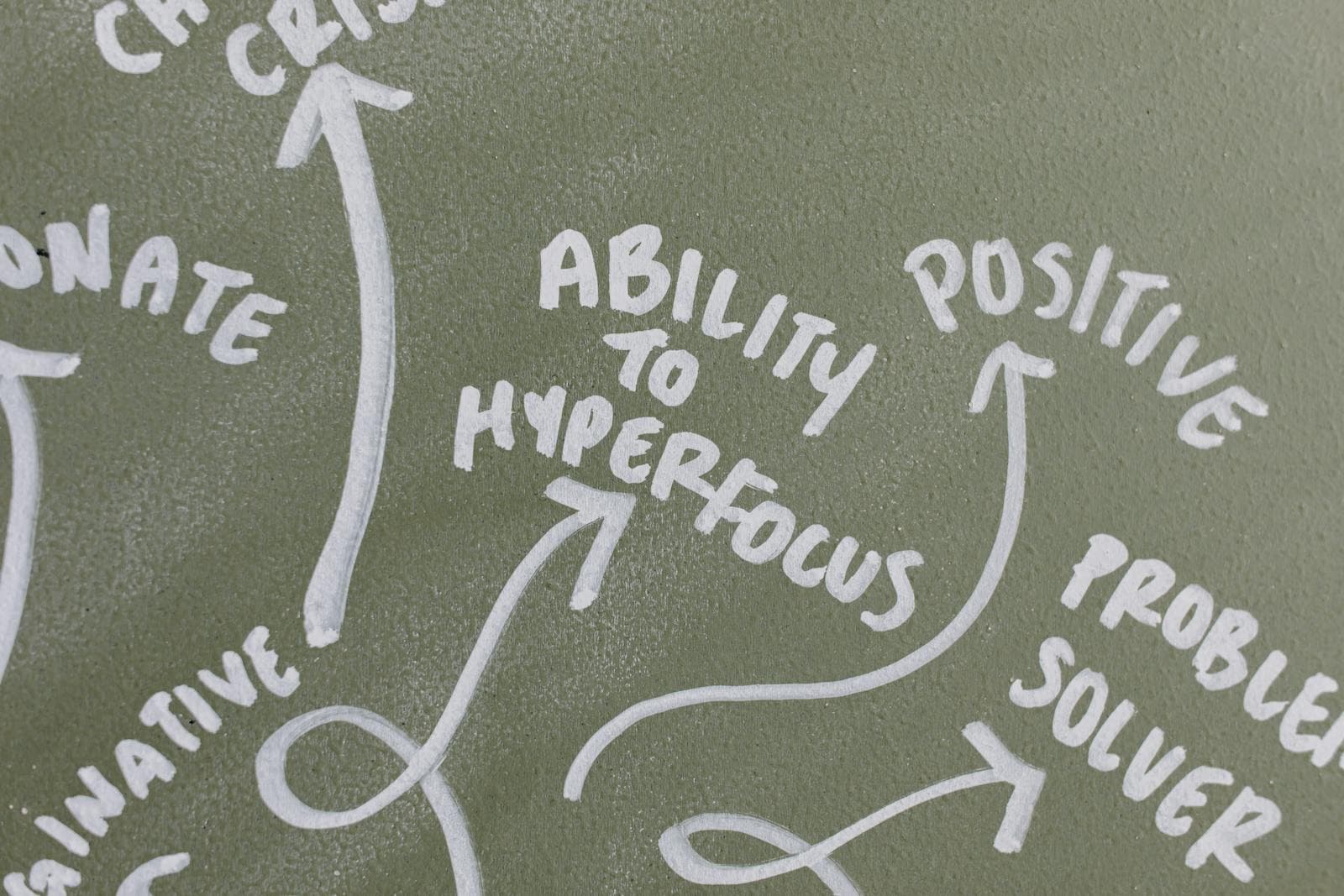
A neurodiversity perspective allows space for both realities to exist at the same time. It recognises that autistic people can have unique abilities and perspectives, while also needing understanding, support, and appropriate adjustments in order to feel safe, included, and well supported.
How Anxiety Can Present in Autistic Adults
Viewing autism through a neurodiversity lens can have a positive impact on well-being and inclusion.
When neurodiversity is recognised:
- Autistic people are less likely to be judged or misunderstood
- Environments can be adapted to reduce stress and exclusion
- Support becomes more personalised and respectful
- Stigma is reduced through awareness and acceptance
This approach benefits autistic individuals, families, educators, healthcare professionals, and employers, particularly when organisations actively consider how to support neurodiversity in the workplace.
How We Approach Autism and Neurodiversity
At Neuroaffinity, autism is seen as a neurodevelopmental difference that deserves respectful, evidence-based care.
Our approach focuses on:
- Listening to individual experiences
- Recognising both challenges and strengths
- Offering clarity without reducing people to labels
For those who are still exploring whether autism may be relevant to them or their child, completing our online autism quiz can be a helpful way to reflect on traits and experiences before deciding on any next steps.
This helps people feel informed, validates and supported throughout their journey.
Key Takeaways
- Neurodiversity describes natural differences in how human brains function
- Autism is recognised as part of neurodiversity
- Neurodiversity does not remove the need for support
- Language plays a role in shaping experience and identity
- Inclusive approaches support wellbeing and access to care
How Neuroaffinity Can Support You
If you are exploring autism within the context of neurodiversity, gaining clear and balanced information can be a helpful place to begin.
For some people, this may also involve seeking a clearer picture through a specialist assessment. Neuroaffinity offers autism assessments for adults, autism assessments for children, and autism assessments for women, each designed to reflect different experiences and support needs.
Many people find that learning more about how autism fits within neurodiversity brings reassurance and confidence as they consider what support or guidance may be right for them or their family.
If you would rather talk things through, our team is available to answer questions and help you think about what the next step might look like.

Talhah Malik
Dr Talhah Malik is a Consultant Forensic Psychiatrist specialising in ADHD and autism. He leads secure inpatient services, provides medico-legal assessments, and is passionate about evidence-based, person-centred care.