ADHD MEDICATION
The most common types of ADHD medication prescribed in the UK are stimulant and non-stimulant medications. According to NICE guidelines, treatment should typically start with stimulant medication, but this is not always the case and treatment must be tailored to meet the individual patient’s presentation and needs.
How do stimulants work?
Stimulants address the symptoms of ADHD through various mechanisms. Primarily, they increase dopamine levels in the brain, which is a neurotransmitter linked to pleasure, attention span, and motivation. By enhancing dopamine levels, stimulants can improve concentration and focus while reducing irritability and hyperactivity. However, stimulants are classified as legally controlled substances due to their potential for misuse and addiction. Individuals can react differently to various stimulant types, making it essential to be closely monitored by one of our ADHD specialists to ensure the correct medication and dosage are being used for their specific condition.
Possible side effects of stimulant medication include decreased appetite, weight loss, mood swings, and sleep disturbances. It is crucial to communicate with your ADHD specialist and report any significant adverse side effects that occur regularly.
How does non-stimulant medication work?
Non-stimulant ADHD medications tend to have a longer duration of action, requiring only once-daily dosing. This can be beneficial for individuals who also experience depression, as some non-stimulants possess anti-depressive properties. One of the most commonly prescribed non-stimulants is Atomoxetine (often referred to as Strattera). Atomoxetine helps individuals with ADHD by increasing noradrenaline levels in the brain, which enhances the transmission of messages and, in turn, improves concentration and impulse control. This medication is generally prescribed when stimulants have been ruled out or found ineffective.
Side effects of non-stimulant ADHD medications can include decreased appetite, weight loss, and sleep disturbances. As with stimulant medications, we encourage you to contact your ADHD specialist if you regularly experience any significant adverse side effects from your non-stimulant medication.
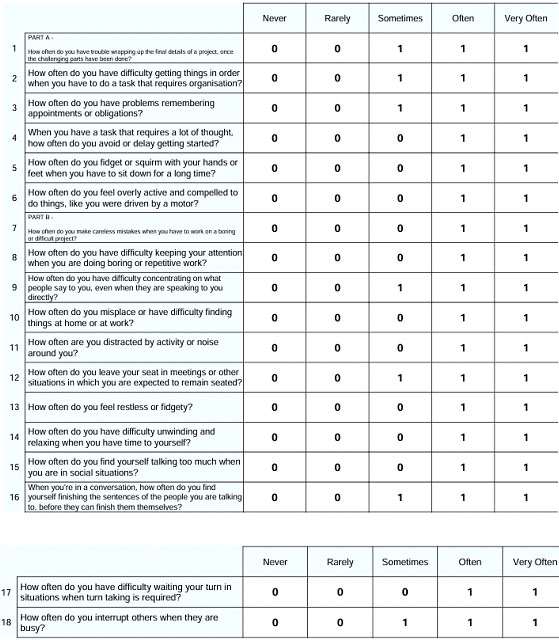
TAKE OUR FREE ONLINE ADHD QUIZ
*Gain insights in just minutes to determine if ADHD traits are part of your story*
When answering the following questions, please consider how they have applied to you over the past six months.
This test will provide an indication of whether you are experiencing the most common symptoms of ADHD. However, it is important to note that this test cannot replace a comprehensive assessment and should not be used for self-diagnosis or to determine a treatment plan.
An accurate diagnosis can only be made through a clinical evaluation by a trained mental health professional.